***UNDER CONSTRUCTION***
| Analysis and comments by David Mendoza | ||||
| Baroque Works | ||||
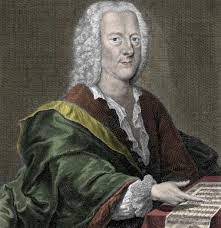 | MIDI | Telemann, Georg Philipp – TWV 1:3 Ach bleib mit deinem Worte – Part 1 (arr. from the Peter Young edition) Comments: The last two phrases contain several tonicizations including a tonicized half cadence in the third phrase. | Analysis | |
| MIDI | Telemann, Georg Philipp – TWV 1:3 Ach bleib mit deinem Worte – Part 2 (arr. from the Peter Young edition) Comments: The first phrase contains a non-dominant 9th chord. The second phrase ends with a picardy third. The third phrase ends with an interesting deceptive cadence of v to VI as the piece transitions back to f minor. | Analysis | |
| MIDI | Telemann, Georg Philipp – TWV 1:10 Ach Gott! dein Zion klagt und weint – Part 1 (arr. from the Peter Young edition) Comments: The iii chord is used here in a major key. Voice overlap is more present in the last two phrases. | Analysis | |
| MIDI | Telemann, Georg Philipp – TWV 1:10 Ach Gott! dein Zion klagt und weint – Part 2 (arr. from the Peter Young edition) Comments: The use of minor v in m. 6 is striking and an example of mode mixture. In measure 9, Telemann doubles the leading tone in the second phrase. A short chain of secondary dominants occurs in the third phrase leading to a tonicized half cadence. | Analysis | |
| MIDI | Telemann, Georg Philipp – TWV 1:11 Ach Gott, du bist gerecht – Part 1 (arr. from the Peter Young edition) Comments: The third phrase tonicizes both the ii and IV tonal areas in two-measure phrases, both of which end in a PAC. All phrases end with a PAC ending ^2 – ^1 in the soprano in their respective keys. | Analysis | |
| mp3 | Telemann, Georg Philipp – TWV 1:11 Ach Gott, du bist gerecht – Part 2 (arr. from the Peter Young edition) | Analysis | |
| mp3 | Telemann, Georg Philipp – TWV 1:11 Ach Gott, du bist gerecht – Part 3 (arr. from the Peter Young edition) | Analysis | |
| MIDI | Telemann, Georg Philipp – TWV 1:12 Ach Gott! es geht gar übel zu – Part 1 (arr. from the Peter Young edition) Comments: In measures 14-15, the figured bass indicates a G#, but the score shows a G natural. I’ve decided to change the alto part to a G#. | Analysis | |
| mp3 | Telemann, Georg Philipp – TWV 1:12 Ach Gott! es geht gar übel zu – Part 2 (arr. from the Peter Young edition) | Analysis | |
| mp3 | Telemann, Georg Philipp – TWV 1:14 Ach Gott, vom Himmel sieh darein (arr. from the Peter Young edition) | Analysis | |
| mp3 | Telemann, Georg Philipp – TWV 1:21 Ach Gott, wie manches Herzeleid (arr. from the Peter Young edition) | Analysis | |
| mp3 | Telemann, Georg Philipp – TWV 1:29 Ach, mein Herze schwimmt in Blute (arr. from the Peter Young edition) | Analysis | |
| mp3 | Telemann, Georg Philipp – TWV 1:31 Ach Seele, hungre, dürste (arr. from the Peter Young edition) | Analysis | |
| mp3 | Telemann, Georg Philipp – TWV 1:43 Ach, wo flieh’ ich Armer hin (arr. from the Peter Young edition) | Analysis | |
| mp3 | Telemann, Georg Philipp – TWV 1:45 Ach, wo kömmt doch das böse Ding her (arr. from the Peter Young edition) | Analysis | |
| mp3 | Telemann, Georg Philipp – TWV 1:54 Alle, die gottselig leben wollen (arr. from the Peter Young edition) | Analysis | |
| mp3 | Telemann, Georg Philipp – TWV 1:65 Aller Augen warten auf dich (arr. from the Peter Young edition) | Analysis | |
| mp3 | Telemann, Georg Philipp – TWV 1:71 Alle eure Sorgen werfet auf den Herrn Part 1 (arr. from the Peter Young edition) | Analysis | |
| mp3 | Telemann, Georg Philipp – TWV 1:71 Alle eure Sorgen werfet auf den Herrn Part 2 (arr. from the Peter Young edition) | Analysis | |
| mp3 | Telemann, Georg Philipp – TWV 1:71 Alle eure Sorgen werfet auf den Herrn Part 3 (arr. from the Peter Young edition) | Analysis | |
| mp3 | Telemann, Georg Philipp – TWV 1:74 Also hat Gott die Welt geliebet | Analysis | |
| mp3 | Telemann, Georg Philipp – TWV 1:76 Also hat Gott die Welt geliebet | Analysis | |
| mp3 | Telemann, Georg Philipp – TWV 1:82 Also hat Gott die Welt geliebet Part 1 | Analysis | |
| mp3 | Telemann, Georg Philipp – TWV 1:82 Also hat Gott die Welt geliebet Part 2 | Analysis | |
| mp3 | Telemann, Georg Philipp – TWV 1:87 Also hoch und also sehr Part 1 | Analysis | |
| mp3 | Telemann, Georg Philipp – TWV 1:87 Also hoch und also sehr Part 2 | Analysis | |
| mp3 | Telemann, Georg Philipp – TWV 1:91 Amen. Lob und Ehre und Weisheit Part 1 | Analysis | |
| mp3 | Telemann, Georg Philipp – TWV 1:91 Amen. Lob und Ehre und Weisheit Part 2 | Analysis | |
| mp3 | Telemann, Georg Philipp– TWV 1:98 Auf, erwachet, meine Sinnen Part 1 | Analysis | |
| mp3 | Telemann, Georg Philipp– TWV 1:98 Auf, erwachet, meine Sinnen Part 2 | Analysis | |
| mp3 | Telemann, Georg Philipp – TWV 1:113 Aus Gnaden seid ihr selig worden Part 1 | Analysis | |
| mp3 | Telemann, Georg Philipp – TWV 1:113 Aus Gnaden seid ihr selig worden Part 2 | Analysis | |
| Romantic Works | ||||
 | mp3 | Andrée, Elfrida, Ur Drömliv I. Långsamt (Slowlly) (Out of Dream Life I.) (The text by Viktor Rydberg has been removed) | Analysis | |
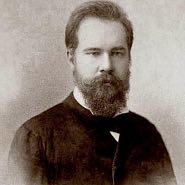 | MIDI | Taneyev, Sergei, Choruses, The Pine, [Сосна] Comments: There are several examples of passing minor v chords. The augmented VI+ leads into the V/iv in the first phrase. The ii half diminished 7 chord substitutes for a iv chord in the first phrase creating a type of plagal cadence. The second phrase ends on a phrygian half cadence which progresses to a change of mode. An evaded cadence ends the third phrase, and a tonicized plagal half cadence ends the fifth phrase. | Analysis | |
| MIDI | Taneyev, Sergei, Choruses, Serenade, [Серенада} Comments: The second phrase ends on the V/vi which creates an unusual type of deceptive cadence. Third phrase is an embedded sentence 2+2+(4 [1+1+2]). The tonicized plagal half cadence punctuates the IAC in the following phrase. This pattern continues but is reversed as the PAC punctuates the preceding plagal HC in the final phrase. | Analysis | |
| MIDI | Taneyev, Sergei, Choruses, Venice at Night, [Венеция ночью], mm.1-14 Comments: The augmented I chord in m. 2 is a good example of how most augmented chords function as passing chords. In mm.7-8, there is another good example of a tonicized plagal half cadence. The cadential 6/4 in mm.10-13, illustrate how cadential 6/4s can be expanded. | Analysis | |
| 20th and 21st Century Works | ||||
 | mp3 | Busto, Javier, Ave Maria, mm7-14 | Analysis | |
 | mp3 | Ešenvalds, Ēriks, O Salutaris Hostia | Analysis |
 Diverse Music Theory Examples