| Dorian | |||
 | mp3 | Bartok, Bela, Fifteen Hungarian Peasant Songs, No. 7, Allegro, mm.1-12 | |
| mp3 | Bartok, Bela, Fifteen Hungarian Peasant Songs, No. 9, Allegretto, mm.1-16 | |
| mp3 | Bartok, Bela, Fifteen Hungarian Peasant Songs, No. 10, L’istesso tempo, mm.1-19 | |
| mp3 | Bartok, Bela, Fifteen Hungarian Peasant Songs, No. 11, Assai moderato, mm.1-18 | |
 | link | mp3 | Belousova, Sonya, and Giona Ostinelli, Geralt of Rivia, The Witcher Main Theme, (Netflix) mm.1-13 (i – VII – VI – v progression) alternates dorian and traditional minor |
 | mp3 | Jenny’s Chickens, Traditional Irish Reel | |
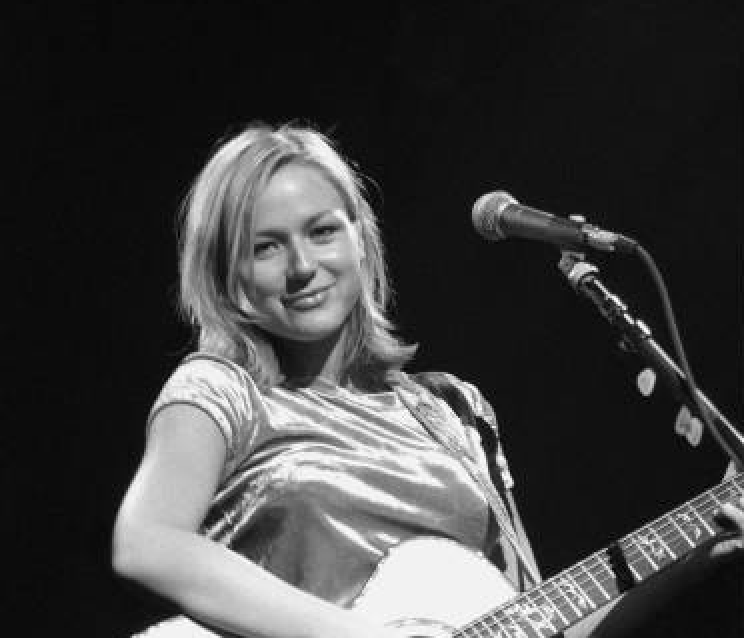 | link | Kilcher, Jewel, Who Will Save Your Soul, mm.5-16 | |
 | MIDI | Lang, Josephine, Zwei Charakterstücke,Op. 32, No. 1 Nachtgesang Eines Gondoliers, Allegretto e parlando. mm.1-4 | |
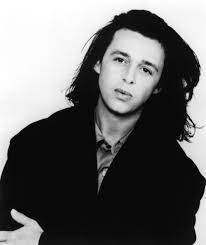 | mp3 | Orzabal, Roland, Mad World, piano arrangement, mm.1-20 | |
 | mp3 | Sharp, Cecil J., Bruton Town, Traditional English Folk Song, collected and arranged by Cecil J. Sharp multiple modal cadences (Dorian example, VII – IV, ii – v, VII – i6) (recording link) (sometimes also known as Burton Town | |
| mp3 | Sharp, Cecil J., Robin Hood and the Tanner, Traditional English Folk Song, collected and arranged by multiple modal cadences (Dorian example) | |
 | mp3 | Shirley, Nathan, The Seven Modes, No.4 Dorian, mm.1-8 | |
 | mp3 | Yoshimatsu, Takashi, Pleiades Dances for piano, No. 7 Platan Dance, Allegro mm.53-64 | |
 | mp3 | Zimmer, Hans, Time from Inception, mm. 17-24 (Plagal half cadences) | |
| Phrygian | |||
 | mp3 | Adams, John, Phrygian Gates for piano, mm.114-120 | |
 | mp3 | Balfe, Lorne, Al’Neito (The Flame) From the “Wheel of Time” soundtrack, mm.1-24 (phrygian ostinato) | |
 | mp3 | Barrios, Agustin, Leyenda de España for guitar, mm.1-5 | |
 | mp3 | Bingen, Hildegard of, Symphonia et Ordo virtutum, for voice, Spiritus sanctus vivificans vita, second part (recording is down a half step) (link) | |
| mp3 | Bingen, Hildegard von, Ave generosa, vocal chant/hymn | |
| mp3 | Bingen, Hildegard von, O magne pater, vocal antiphon | |
 | mp3 | Djawadi, Ramin, Westworld: Main Title Theme, Piano arr. Patrik Pietschmann, mm.1-10 (Phrygian inflection m. 9) | |
 | mp3 | Holst, Gustav, Four Songs for voice and violin, Op.35, No. 4, My Leman is so true, Allegretto, mm.1-14 | |
| mp3 | Shirley, Nathan, The Seven Modes, No.2 Phrygian, mm.1-8 | |
| Phrygian Dominant / Bebop Phrygian Dominant / Maqam Hijaz | |||
 | mp3 | Hadjidakis, Manos, Six Popular Pictures, Op. 5, No. 3 It Became Cloudy, A light Rain Started, (G. Mitsakis), mm.38-47 (link to recording) | |
| mp3 | Hadjidakis, Manos, The Ionian Suite, Op. 7, V. Allegro – Moderato, mm. 62-72 (link to recording) | |
 | mp3 | Mendoza, David, Phrygia for string septet and percussion, Cappricioso, mm.122-134 (link to recording) | |
| Zagimic | |||
| mp3 | Zimmer, Hans, Paul’s Dream, Dune, mm.5-20 | |
| Lydian | |||
 | mp3 | Nobilis Humilis, Hymn to St. Magnus, 12th century Irish Hymn (Example and recording from Schola Sainte Cécile) | |
 | mp3 | Jensen, Nathan, Aubade for solo piano, mm.21-28 | |
| mp3 | Shirley, Nathan, The Seven Modes, No.7 Lydian, mm.1-8 | |
| mp3 | Yoshimatsu, Takashi, Pleiades Dances for piano, No. 3 Apple Seed Dance, Allegro mm.1-7 | |
| Mixolydian | |||
| mp3 | Bartok, Bela, Fifteen Hungarian Peasant Songs, No. 15, Allegro, mm.1-12 | |
| mp3 | Bingen, Hildegard of, Symphonia et Ordo virtutum, for voice, item de virginibus, last phrase | |
| link | Sharp, Cecil J., The Rambling Sailor, Traditional English Folk Song, collected and arranged by Cecil J. Sharp (Mixolydian example) (another version) | |
| link | Sharp, Cecil J., As I Walked Through the Meadows, Traditional English Folk Song, collected and arranged by Cecil J. Sharp | |
| mp3 | Shirley, Nathan, The Seven Modes, No.5 Mixolydian, mm.1-10 | |
| Aeolian | |||
| mp3 | Bingen, Hildegard of, Ave Generosa, vocal chant/hymn | |
| mp3 | Bingen, Hildegard of, Symphonia et Ordo virtutum, for voice, Spiritus sanctus vivificans vita, first part | |
| mp3 | Djawadi, Ramin, Mhysa, Game of Thrones, mm.1-13 (VII to i subtonic cadence) | |
 | mp3 | Donaldson, David, David Long, Steve Roche and Janet Roddick, Misty Mountains, The Hobbit: An Unexpected Journey | |
 | mp3 | Horner, James, For the Love of a Princess, from Braveheart, mm.1-16 | |
 | mp3 | Howard, Jame Newton, Gravel Road, The Village Score, mm.21-32 (Transcribed by Gino Moscati) | |
 | mp3 | Jaëll, Maire, Les Jours Pluvieux, No. 4, Petite Pluie Fine, Vite, mm.1-18 | |
 | mp3 | Madonna, Devil Pray, 2014, also written by Avicii, DJ Dahi, and Michael Diamond (BloodPop), with additional writing by Arash Pournouri, Carl Falk, Rami Yacoub, and Savan Kotecha, , (i – VI – VII – i progression) (i – III – VII progression) and (i – VII – i progression) | |
 | mp3 | Onyeji, Christian, Ufie III for piano, Fast, ritmico, mm.2-10 | |
 | mp3 | Pärt, Arvo, Für Alina for piano | |
 | mp3 | Shore, Howard, Evenstar, The Lord of the Rings: The Two Towers, mm.5-16 | |
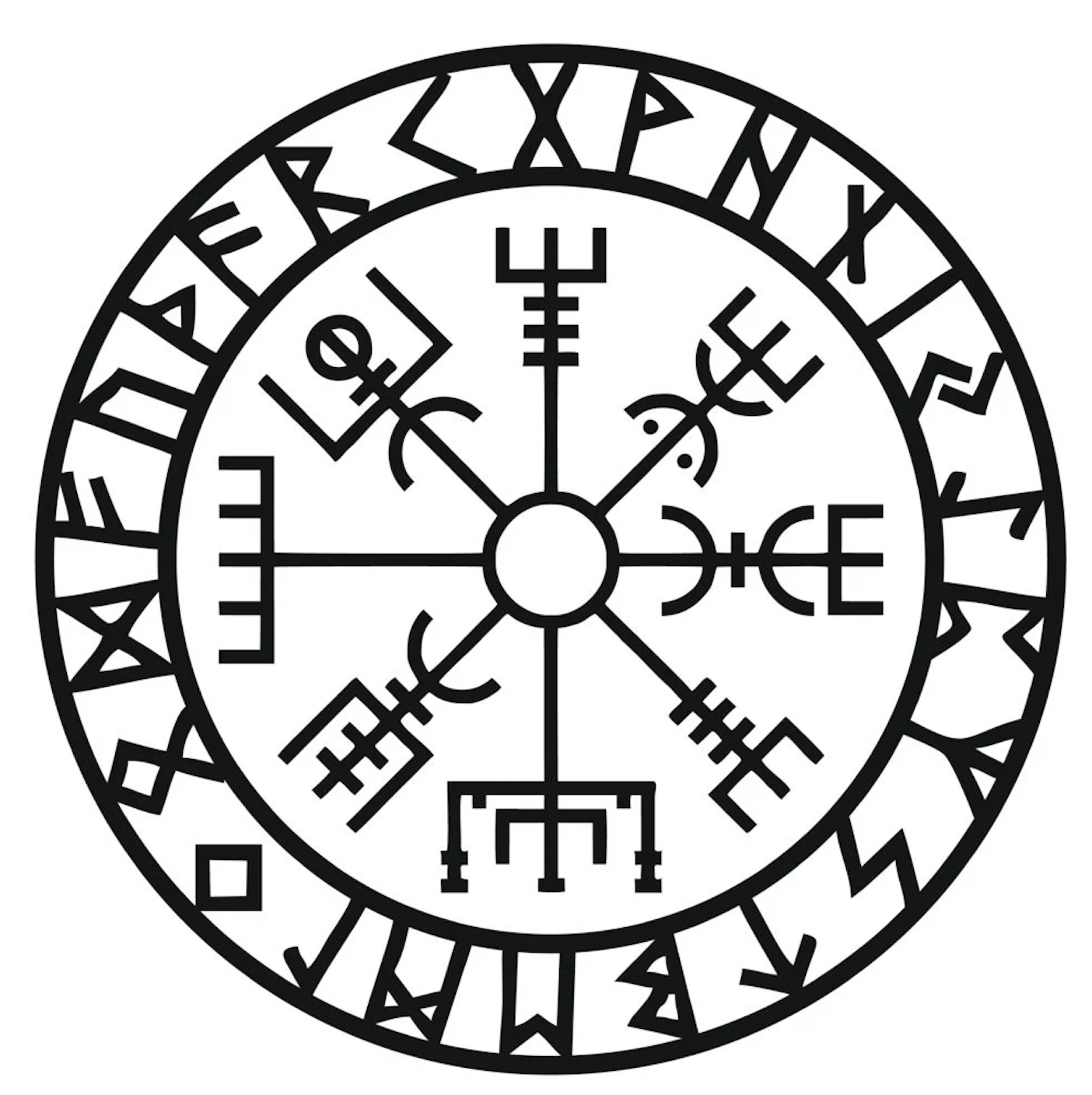 | mp3 | Traditional Norse, My Mother Told Me, arranged by Marie-Éve Mainguy | |
| Locrian | |||
| mp3 | Bartok, Bela, Mikrokosmos, Book 2, Sz.107 No. 63, Buzzing, Con moto | |
 | mp3 | Gordon, Mick, arr. Yug Guy, At Doom’s Gate, from Doom, mm.1-10 | |
 | mp3 | Kirkpatrick, John, Dust to dust | |
 | mp3 | Mendoza, David Dean, Malum Somnium for solo contrabass, mm.1-8 | |
 | mp3 | Perlner, Ray, Locrian Fugue, mm.1-7 (link to recording) | |
| mp3 | Shirley, Nathan, The Seven Modes, No.1 Locrian, mm.1-13 | |
| SUPPLEMENTAL MATERIAL | |||
| *Some of these examples are short transcriptions of indigenous music. These are for educational purposes only and created with the utmost respect and with the spirit of bringing people together through music. | |||
| Tritonic Modes – Asian based | |||
 | mp3 | Prajñaparamita mantra, Buddhist chant from the Heart Sutra transcribed by David D. Mendoza – (^1,^b3,^b7) there are various versions of this chant, some use only two notes while others up to five. | |
| Tetratonic Modes – Western European based | |||
 | mp3 | Epistle for the solemn mass of easter day, Gregorian Chant ^1,^2,^6,^7 (last phrase is written on B but is sung on C in the recording) | |
| Tetratonic Modes – North American based (educational uses only please) | |||
 | mp3 | Apache Prayer Song, Dishchii’Bikah Group transcribed by David D. Mendoza (^1,^2,^3,^6) (song link) | |
 | link | link | Buck, Joshua “Billy”, Dream Song, Iroquois transcribed by William N. Fenton (^1^2^4^5) |
 | mp3 | Navajo Four Sacred Mountain Song, Diné (Navajo) transcribed by David D. Mendoza (^1,^b3,^5,^b7) (song link) | |
 | mp3 | Osoak, Leo, The Time I Arrive, (Aiya surli tikiatasanga) Traditional Inuit Song transcribed by David D. Mendoza – (^1^2^3^6) | |
| Pentatonic Modes – Asian based | |||
| mp3 | Kwan Seum Bosal, Korean Buddhist Chant, transcribed by David D. Mendoza (pentatonic mode 5 – ^1,^b3,^4,^5,^b7) aka, minor pentatonic / P’yongjo-kyemyonjo scale | |
 | mp3 | Luting, He, Rebirth in the Mountains for Orchestra, section after introduction (link to recording) (major pentatonic) | |
| mp3 | Luting, He, Night Flute in a Desolate Village, for Orchestra , mm.1-9 (link to recording) (natural pentatonic 1,2,4,5,b7) | |
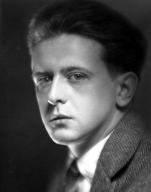 | mp3 | McPhee, Colin, Balinese Ceremonial Music, mvt. I Pemoengkah, Animato (Slendro ^1^2^4^5^6 traditional scale contains microtonal variations) | |
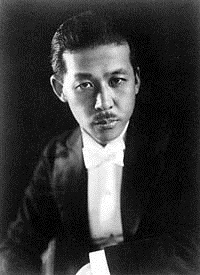 | mp3 | Yamada, Kōsaku, Three Old Japanese Art Dances for piano, mvt. I, Tsuru – Kame (Crane and Tortoise), Andante tranquillo, mm.1-8 (Han-Kumoi scale) (link to recording) | |
| mp3 | Yamada, Kōsaku, Three Old Japanese Art Dances for piano, mvt. II, Kyo No Shiki, Allegretto mm.1- 10 (In scale / Miyaho-bushi) | |
| Pentatonic Modes – North American based (educational uses only please) | |||
 | mp3 | Bird Song, Traditional, Tohono O’odham Nation, transcribed by David D. Mendoza (pentatonic mode 1 – ^1,^2,^3,^5,^6) aka major pentatonic (song link) | |
 | link | link | Handle, Tom, Lullaby, Cherokee transcribed by Willard Rhodes – (pentatonic mode 2 – ^1^2^4^5^6) |
 | mp3 | Shenandoah, Joanne, Kalunyaha-Wi, from her album Matriarch – Iroquois Women’s Songs transcribed by David D. Mendoza – (pentatonic mode 1 – ^1,^2,^3,^5,^6) | |
| mp3 | Wendeyaho, traditional Cherokee arranged by Clint Goss – (pentatonic mode 1 – ^1,^2,^3,^5,^6) | |
 | link | link | Wilson, Charlton, Peyote Song, Delaware transcribed by Willard Rhodes (pentatonic mode 1 – ^1,^2,^3,^5,^6) |
| Pentatonic Modes – South American based | |||
 | mp3 | A las orillas del Titicaca, Traditional Andean Folk Music, Huayno/Wayñu genre transcribed by Henrik Norbeck (pentatonic mode 5 – ^1,^b3,^4,^5^b7) | |
| Pentatonic Modes – African based | |||
 | link | Chiweshe, Stellla Rambisai, The Speech (major pentatonic ^1^2^3^5^6) (not sure, but could be Nyamaropa tuning) | |
| mp3 | Onyeji, Christian, Ufie III for piano, Fast, ritmico, mm.29-40 (pentatonic mode 5 – ^1,^b3,^4,^5,^b7) | |
 | mp3 | Tu!Tu! Gbovi, Ewe Children’s Song (^1^b2^b3^b6^b7) | |
| Pentatonic Modes – Western European based | |||
| mp3 | Christe Fili Dei and Erue a framea Gregorian Chant (^1,^2,^3,^4,^6 – pentatonic collection) | |
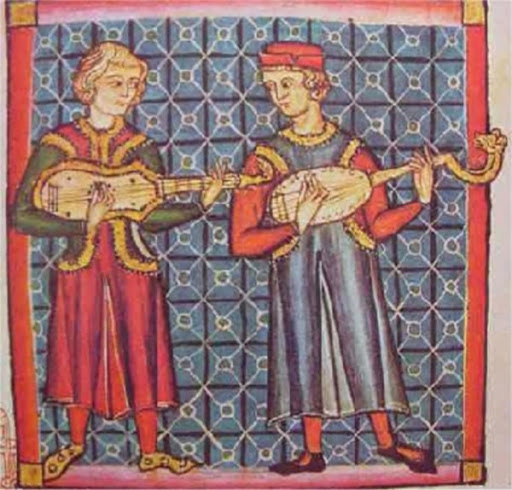 | mp3 | Erart, Jehans, Au Tems Pascor, Trouvère Pastourelle (^1,^2,^3,^4,^5 – pentatonic collection) | |
| Hexatonic Modes – Asian based | |||
 | mp3 | Hon Shirabe, Traditional Japanese Honkyoku arranged by Clint Goss – (^1^2^3^#4^5^7) | |
 | mp3 | Rain in Jiang Nan for erhu, contemporary/commercial Chinese (aeolian hexatonic – ^1^2^b3^4^5^b7) | |
| Hexatonic Modes – Western European based | |||
| mp3 | Dies Irae, Gregorian Chant (aeolian hexatonic – ^1,^2,b3,^4,^5,^b7) | |
 | mp3 | Kyd, Jesper, arr. Noah Wojcik, Ezio’s Family, piano arrangement, mm.34-41 (phrygian hexatonic – ^1^b3^4^5^b6^b7) | |
 | mp3 | St Patrick´s An dro, Traditional Breton Music transcribed by Henrik Norbeck (aeolian hexatonic – ^1^2^b3^4^5^b7) | |
| mp3 | Wild Mountain Thyme, traditional Scottish folk song, mm.1-10. | |
| Hexatonic Modes – North American based | |||
 | mp3 | Kayowjineh, traditional Seneca, collected by Pete Seeger ^1^2^3^4^5^6 | |
| Hexatonic Modes – South American based | |||
| mp3 | El Sicuri, Traditional Andean Folk Music, Huayno/Wayñu genre transcribed by Henrik Norbeck (aeolian hexatonic – ^1,^2,b3,^4,^5,^b7) | |
| Hexatonic Modes – African based | |||
| mp3 | Onyeji, Christian, Oga for piano, mm.3-10 | |
 | mp3 | Roux, Isak, Preludes in African Rhythm, Lullaby, Lento e molto rubato, mm.1-4 (Ionian hexatonic – ^1,^2,^3,^4,^5,^6) | |
| Heptatonic Modes – Middle East based | |||
 | mp3 | Al-Arian, Ibraheem, Samai Bayat – maqam bayati, mm.1-11 | |
 | mp3 | Al-Atrash, Farid, Noura Ya Noura Bayat/Bayati has a D/Re tonic | |
 | mp3 | Cemil Bey, Tanburi, Cecen Kizi – maqam huseini (^1^qb2^b3^4^5^qb6^b7 – ^b6 may also be present) Huseini is variant of Bayati with an emphasis on ^6 to ^5 motion | |
 | mp3 | Ekserciyan, Tatyos, Samai Rast – maqam rast (^1^2^qb3^4^5^6^qb7 – ^b7 may also be present) Rast has a C/Do tonic | |
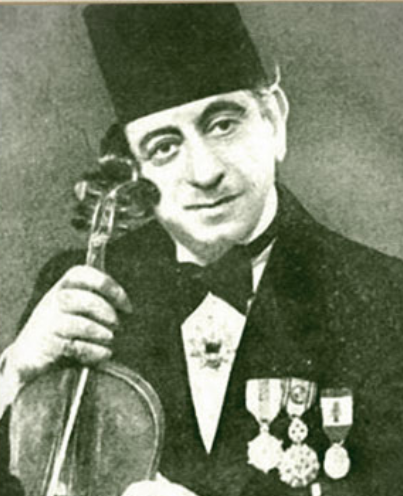 | mp3 | Shawwā, Sāmī al, Samai Bayat – maqam bayati, mm.1-7 (^1^qb2^b3^4^5^b6^b7 – ^qb6 may also be present) Bayat/Bayati has a D/Re tonic | |
| Heptatonic Mode – Eastern European based | |||
 | mp3 | Cadaneasca, Romanian folk song (Phrygian Dominant, Spanish Phrygian, Hijaz Maqam, Freygish scale) phrygian #^3 | |
| Klezmer Modes | |||
 | mp3 | Sher or Sherele, Yiddish freilach (lively song/dance) (Freygish scale) phrygian #^3 | |
| mp3 | Freylekhs fun der khupe, Yiddish freilach (lively song/dance) (Misheberekh mode aka Ukrainian Dorian scale) |
 Diverse Music Theory Examples